
North Atlantic
Faroe Islands
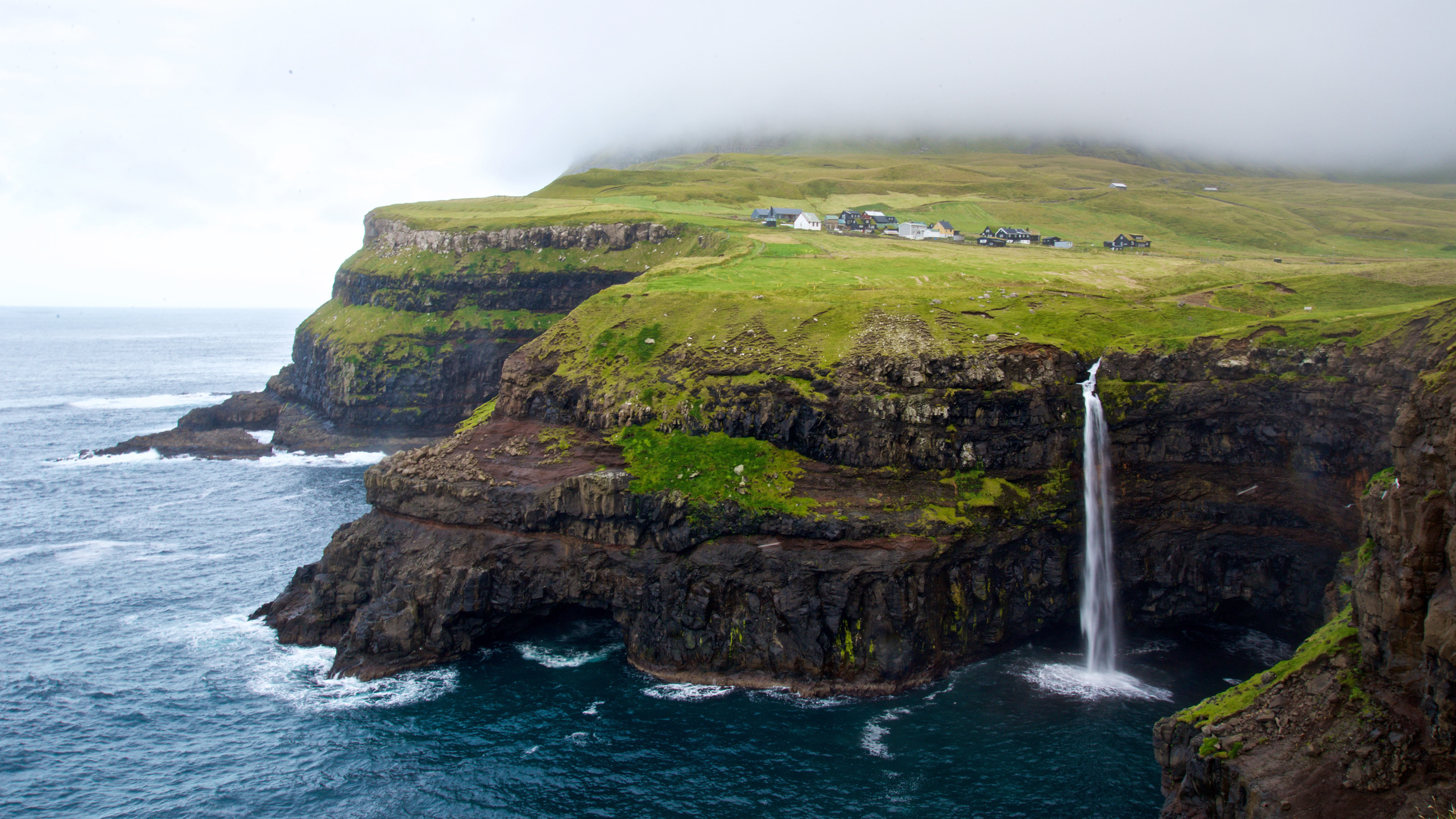
Saksun and Tjrnuvik villages, Mulafossur waterfall, Kalsoy and the "Lake above the ocean" Srvagsvatn illusion, Viareii (the northernmost town), Mykines for puffins, Mulberg hike. Wet, dramatic, almost no other tourists outside July-August.
Plan it right
Before you book the flight
Quick checks that decide whether a Faroe Islands trip actually works on your dates.
Find it on the map
Open Faroe Islands in Google Maps and drop a pin on your base before you lose signal.
Open in Google MapsCheck the visa policy
Rules for Faroe Islands change with your nationality and current advisories. Confirm before booking anything.
Read entry rulesGet help with a visa
A reputable visa service can handle paperwork and invitation letters if you'd rather not deal with the consulate.
Compare services- 1 EUR ≈ 7.48 DKK
- 1 USD ≈ 6.42 DKK
- 1 GBP ≈ 8.72 DKK
Exchange Rates Updated Daily. Last updated on 28/Aug/2026.

No McDonald's benchmark available.
Use local café / fast-food meal prices instead.
Approximate McDonald's Big Mac® price where available. Prices vary by city, branch, tax, delivery channel, and date checked. This site is not affiliated with or endorsed by McDonald's.
Source: Countries with McDonald's restaurants reference
No reliable McDonald's/Big Mac benchmark found; likely no official McDonald's presence
Prices Researched at May 2026
Where to stay
8+ rated stays near Faroe Islands
Booking.com opens filtered to an 8+ guest score so you can compare photos, prices and recent reviews before choosing a base.
When to go
Best: Jun-Aug. Mildest, longest daylight and least harsh weather; still windy/rainy year-round.
Avoid: Nov-Mar short days, storms, cold wind
Why it is difficult
Status, May 2026: autonomous part of Denmark but not in Schengen. Genuinely remote - 18 volcanic islands midway between Iceland and Scotland. Population 55,000.
Why it is worth visiting
Saksun and Tjrnuvik villages, Mulafossur waterfall, Kalsoy and the “Lake above the ocean” Srvagsvatn illusion, Viareii (the northernmost town), Mykines for puffins, Mulberg hike. Wet, dramatic, almost no other tourists outside July-August.
Practical travel notes
Use this guide as an early planning brief. Re-check flight schedules, seasonal closures, local transport reliability, accommodation availability, and cash or card access before committing to a route.
Access and logistics
By air to Vagar (FAE): Atlantic Airways and SAS from Copenhagen (1.5 hrs), Reykjavik, Bergen, Edinburgh, Paris (CDG). London/Amsterdam summer only. By ferry - Smyril Line “Norrona”: Hirtshals (north Denmark) -> Torshavn, 40 hours. Comfortable but second day on open sea can be rough. Pre-book meals - breakfast and lunch buffets recommended; dinner buffet skip and buy individual meals. Internet 18 EUR per device (switchable). The archive author took this on the way and rated it interesting. Torshavn (the capital): AirBnB or Hotel Froyar; the archive author paid EUR 70-80/night in an AirBnB. Klaksvik (north): second town; same price range. Sandavagur: the only hostel in the Faroe Islands per the archive - cheap, near the airport. Gjogv, Saksun, Tjrnuvik: tiny guesthouses; book months ahead.
Safety considerations
The main risk is logistical fragility: limited flights, ferry delays, weather disruption, and thin local infrastructure can strand tight itineraries.
Visa or permit notes
Outside Schengen. Most Western/EU/Commonwealth passports get visa-free entry; check if you specifically need a Faroese visa (rare). Almost everyone arrives via Denmark, which simplifies passport control to the point where the archive author wasn’t even checked or stamped.
On the ground
10 practical tips
The decisions that separate a smooth trip from a stranded one.
Choose the strongest season
Use Jun-Aug as the first planning window for Faroe Islands, then check weather, access and local conditions again before booking.
Avoid the hardest months
Be cautious about Nov-Mar short days, storms, cold wind, because the wrong season can make transport, outdoor access and backup plans much harder.
Confirm entry rules first
Verify current entry rules through official channels before booking; recent planning notes suggest Outside Schengen. Most Western/EU/Commonwealth passports get visa-free entry; check if you specifically need a Faroese visa (rare), but this should not be treated as final.
Plan the access route
Build the itinerary around the real access route: By air to Vagar (FAE): Atlantic Airways and SAS from Copenhagen (1.5 hrs), Reykjavik, Bergen, Edinburgh, Paris (CDG).
Control budget drift
Price accommodation, transfers, tours and meals before committing to Faroe Islands, because the expensive parts are often the hardest to change later.
Plan cash and payments
Carry a realistic payment backup for Faroe Islands, especially for drivers, small hotels, local fees and situations where cards or ATMs may not work reliably.
Secure scarce accommodation
Book key accommodation early for Faroe Islands, because small markets, peak periods and transport-linked stays can sell out or become disproportionately expensive.
Use local support selectively
Pre-book specialist hikes, ferries and boat trips in peak season, because weather and visitor controls can make same-day planning unreliable.
Build in buffer days
Treat 3 to 14 days, depending on route and budget as a planning range for Faroe Islands, but add buffer time if the route depends on flights, boats, permits, road conditions or security checks.
Decide if the trade-off fits
Choose Faroe Islands for Saksun and Tjørnuvík villages, Mulafossur waterfall, Kalsoy and the "Lake above the ocean" Sørvágsvatn illusion, Viðareiði (the northernmost town), Mykines for puffins, Mulberg hike, but only if you are comfortable with the main trade-offs: remote access, few reliable transport options, limited infrastructure.
Good to know
Faroe Islands FAQ
Honest answers, including the ones that might change your plans.
Can tourists visit Faroe Islands?
Tourism may be possible in parts of Faroe Islands, but conditions can change quickly. Check current government travel advisories, embassy guidance, local contacts, and recent traveller reports before booking.
What visa do you need for Faroe Islands?
Visa and permit rules vary by nationality and can change without much notice. Use this guide as a starting point, then confirm current requirements with official government, embassy, or consulate sources.
What is the best time to visit Faroe Islands?
The usual planning window is Jun-Aug. Weather, access, holidays, security conditions, and transport schedules can still affect the final route.
How long do you need for Faroe Islands?
A realistic first plan is 3 to 14 days, depending on route and budget. Add buffer days for permits, route changes, weather delays, and unreliable transport.