
Pacific
Nauru
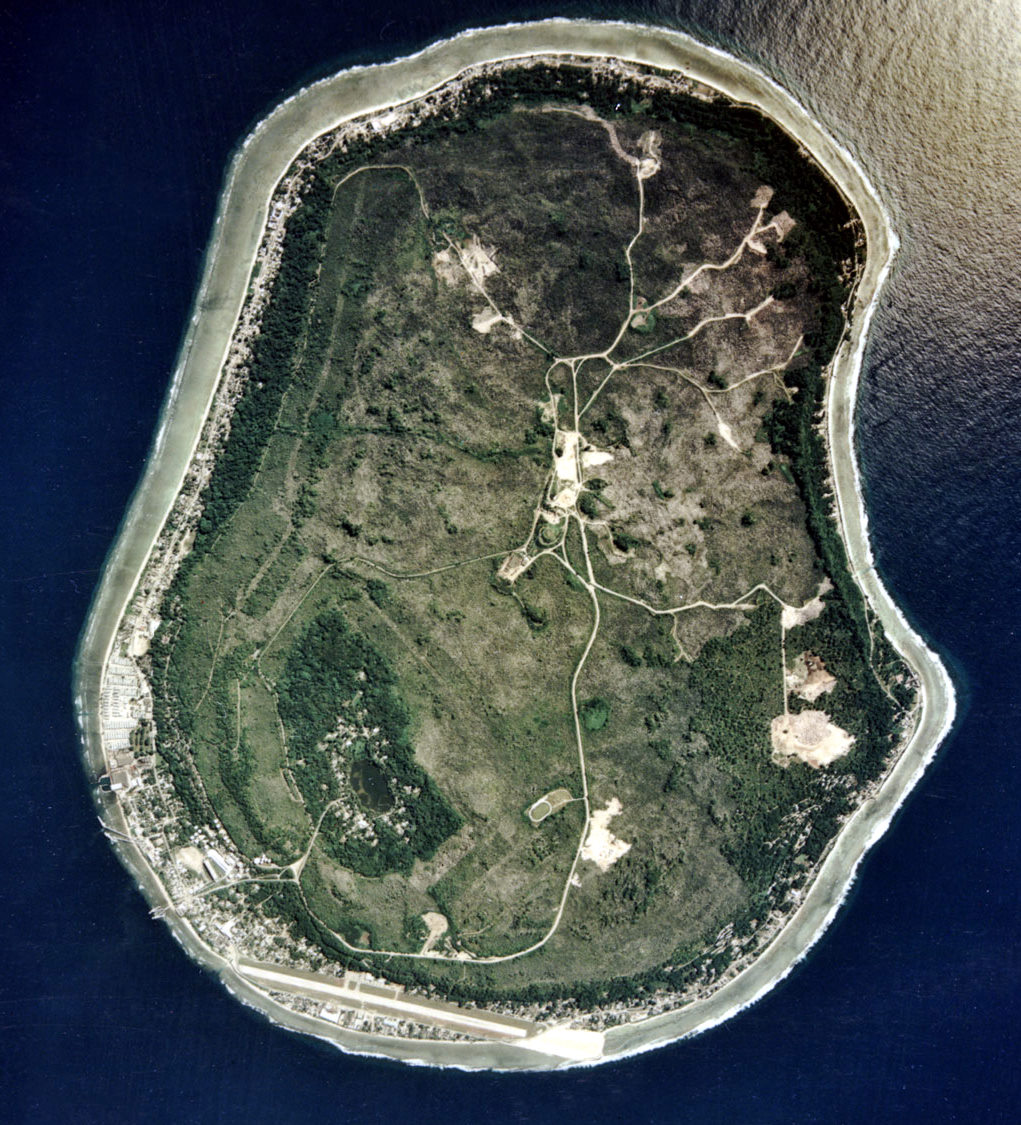
The world's least-visited country: a 21 km ring road, the moon-like phosphate-mining "Topside" pinnacles, the inland Buada Lagoon, Command Ridge and Kanakra peak with Japanese WWII guns and bunkers, the broken-coral Anibare Bay, and the aviation curiosity of Nauru Airlines' Pacific-region monopoly. Most visitors come because they collect every UN state; the surprise is how friendly the locals are.
Plan it right
Before you book the flight
Quick checks that decide whether a Nauru trip actually works on your dates.
Find it on the map
Open Nauru in Google Maps and drop a pin on your base before you lose signal.
Open in Google MapsCheck the visa policy
Rules for Nauru change with your nationality and current advisories. Confirm before booking anything.
Read entry rulesGet help with a visa
A reputable visa service can handle paperwork and invitation letters if you'd rather not deal with the consulate.
Compare services- 1 EUR ≈ 1.62 AUD
- 1 USD ≈ 1.39 AUD
- 1 GBP ≈ 1.89 AUD
Exchange Rates Updated Daily. Last updated on 28/Aug/2026.

No McDonald's benchmark available.
Use local café / fast-food meal prices instead.
Approximate McDonald's Big Mac® price where available. Prices vary by city, branch, tax, delivery channel, and date checked. This site is not affiliated with or endorsed by McDonald's.
Source: Countries with McDonald's restaurants reference
No reliable McDonald's/Big Mac benchmark found; likely no official McDonald's presence
Prices Researched at May 2026
Where to stay
8+ rated stays near Nauru
Booking.com opens filtered to an 8+ guest score so you can compare photos, prices and recent reviews before choosing a base.
When to go
Best: May-Oct. Hot/humid year-round; relatively less wet period often around May-Oct, with modest seasonal differences.
Avoid: Nov-Feb wetter/humid
Why it is difficult
Status, May 2026: the world’s third-smallest country (21 km, about 11,000-12,500 population per recent trip reports). Almost no leisure tourism. Visa process used to be the main obstacle and is now described in the archive as “an insanely easy country to visit” once you know which person to email. The real bottleneck is hotel availability - all rooms are often booked weeks ahead, and you need a confirmed hotel before applying for the visa. Nauru Airlines’ small fleet creates a second bottleneck: maintenance and ministerial flights ripple through the network and produce sudden schedule changes.
Why it is worth visiting
The interior - the moon-like “Topside” phosphate-mining pinnacles after the island was effectively strip-mined for fertiliser. Buada Lagoon, the only inland body of fresh water and the only one of Nauru’s fourteen districts that is not coastal. Command Ridge and Kanakra (the second-highest point) with Japanese WWII guns, bunkers and the limestone pinnacle holes used as colonial-era punishment. Anibare Bay’s broken-coral beaches. The decommissioned offshore-processing refugee camp area is part of the modern history of the island and is visible (no photos close up) from above. The Naoero Museum is free and surprisingly well organised. The Post Office sells genuinely interesting old commemorative stamps at face value. The car graveyard at the tip - a leftover of the phosphate boom, when broken-down vehicles were simply abandoned and replaced. The aviation curiosity of Nauru Airlines and the cycle/walk around the 21 km ring road. You go to Nauru because you collect all UN states; the consistent surprise in the archive is how warm, generous and unprompted-helpful the locals are.
Practical travel notes
Currency: Australian dollar; no Nauru notes. Several ATMs (Menen Hotel, Ewa Lodge, in central Aiwo by Nauru Post); reliability is patchy and the standing advice is to bring AUD cash. SIM: Digicel Nauru; the airport kiosk does not open for early-morning arrivals, and Digicel coverage is spotty especially in rain. Goodworks Accommodation has reliable Starlink wifi, which is unusual for the island. Australian and NZ phone roaming agreements (e.g. Optus) often beat the local SIM for short stays. Language: English and Nauruan. Power and water can be intermittent; pack ear plugs (roosters, generators) and electrolytes (the heat is relentless between roughly 10 and 4). Climate: very hot and humid year-round; December and January are the wet season. Costs are high - everything is imported.
Access and logistics
Nauru Airlines (INU) is the only carrier. Routes referenced in the archive: Brisbane (BNE) - Nauru four times a week in each direction (the most reliable corridor and the recommended one if you can); Nadi (NAN) - Nauru; Tarawa (TRW) - Nauru; Pohnpei (PNI); Majuro (MAJ); Koror, Palau (ROR); and Christmas Island (Cassidy, CXI). The “island hopper” Brisbane-Nadi-Tarawa-Nauru-Majuro-Pohnpei loop runs roughly once a week and is fragile - if anything goes wrong in Majuro the airline has to fly a mechanic up from Brisbane. Build in roughly two days of slack. Book early; the route is critical to several Pacific itineraries. Round-trip Brisbane-Nauru sits around AUD 1,300 at best; shorter hops from Tarawa or Pohnpei are cheaper if you are already doing a Pacific circuit. Accommodation: Goodworks 1 and 2 (Moralene) is the practical choice in Aiwo - clean container/donga units, Starlink wifi, free airport transfers 07:00-19:00, car / scooter / bike rental and a Booking.com listing that issues immediate confirmation usable for the visa (around AUD 130/night). Ewa Lodge (Capelle family, four units, books out far in advance, poor wifi). Sunset Queen Serviced Apartments in Aiwo (Starlink wifi, around AUD 160). Menen Hotel - government-owned, the largest option, faded but slowly refurbishing, poor wifi response. Od-N-Aiwo in Aiwo - frequently unstaffed, thin mattresses, AC reportedly switched off. A few private guesthouses and hammock/tent options on private beaches now exist; ask the tourism office. Walking, hitchhiking and cycling are all viable on the ring road; the inland road past the airport gives the best phosphate-pinnacle views and is comfortable on a bike early morning. Don’t attempt long walks 10-16; the sun is brutal. There is no rental-car desk in the conventional sense - hosts and guides arrange vehicles (typical bicycle AUD 30/day, scooter AUD 25-50, car AUD 90-120). Diving is informal: there is no recreational dive shop, the divers are Fisheries Department staff, gear is borrowed and a boat dive runs around AUD 200-400 plus the diver’s fee. The reef is healthy, sharks are abundant (mostly white-tips), and the two main reef dives are off Capelle Beach and in front of the Menen.
Safety considerations
The main risk is logistical fragility: limited flights, sudden Nauru Airlines schedule changes, weather disruption and thin local infrastructure can strand tight itineraries. Build in two days of slack. Heat and dehydration on the walk/cycle around the island are a genuine planning concern. Tied-up dogs are common but were not described as a problem in any recent report.
Visa or permit notes
Visitor visa required for most nationalities, AUD 50 single-entry, valid up to one month. Apply via email to the current visa officer (per the archive) at the Brisbane consular office; the standing advice in EPS-style trip reports is explicitly “do not send applications to Trent any more - send to Cramer”. Required documents are passport bio page, return flight booking, Nauru hotel booking, proof of employment or income, and a Covid-19 vaccination certificate; police and medical clearance certificates listed on the official form are no longer required - the visa officer’s own instructions tell you to skip that section. Pay the AUD 50 to the nominated Australian bank account (the account has changed in the past, so confirm at the time), email the receipt, and the visa attachment is emailed back. Standard guidance: apply 2-3 months in advance. Real-world processing time in recent reports has ranged from 24 hours to several weeks. Key trick: Nauru Airlines’ reservations team can hold a ticket without payment while you wait for the visa - normally five days, extendable on request. If your visa stalls, Goodworks can sometimes get it “unstuck” via a relative inside Immigration for around AUD 20.
Local guides, drivers and fixers
These archive leads are intentionally not clickable and not clean-copy formatted. Re-type them manually if a lead is relevant, and verify independently before relying on anyone.
Best window
Flight-and-room dependent; hot and humid year-round
First-timer route
Nauru Airlines to INU, confirmed accommodation, then a scooter or guided loop of the ring road, Aiwo, Topside, Buada Lagoon, WWII relics and the museum
Minimum time
One long day possible; 48 hours better; 3 days relaxed
Independent travel
Possible, but only if accommodation proof, flight hold, visa and buffer time line up
Fit check
Is this the right difficult place for you?
Go if you want
- +One of the world's least-touristed microstates.
- +A compact Pacific island you can explore by ring road, scooter, bicycle, car or on foot.
- +Phosphate-scarred landscapes, WWII relics, the museum and a strange sense of isolation.
- +A trip where local encounters may be the most memorable part.
- +A destination where the planning puzzle is part of the experience.
Think twice if you need
- −Easy visa-free entry.
- −Frequent flights and predictable schedules.
- −Cheap, plentiful accommodation.
- −A conventional tropical beach-resort holiday.
- −Reliable mobile data, fast eSIMs and quick replies from hotels.
- −Cool weather or long midday walks.
Versions
The trip in 4 versions
One-day Nauru transit
Possible if your flights align, but stressful because of the visa, heat, airport timing and limited transport. One traveller report describes arriving early from Brisbane and departing the same evening to Suva, using the Menen Hotel for luggage, charging and transfers, then covering part of the island with local lifts. Do not treat this as a normal transit unless your visa is already issued and the flight times allow you to leave and return to the airport calmly.
Best for
Country counters with a confirmed visa and a very tight Pacific routing.
Duration
Same day / long layover
Difficulty
High
Verify
- —Visa is issued before boarding.
- —Arrival and departure times allow you to exit the airport.
- —A luggage plan.
- —A heat plan.
- —A backup if transport does not appear.
48-hour classic loop
The cleanest first-timer plan: arrive, settle into confirmed accommodation, loop the island, and take in Aiwo, Buada Lagoon, Topside and the phosphate roads, WWII relics, Nauru Post, the museum and one or two coastal stops.
Best for
Most first-time visitors.
Duration
2 nights / about 48 hours
Difficulty
Hard
Verify
- —Hotel confirmation for visa purposes.
- —Scooter, bike or car availability.
- —Opening times for the museum and post office.
- —Local advice on heat and swimming.

Three-day slow Nauru
A slower version that leaves room for flight irregularities, repeat loops, late-afternoon local life, Topside with a guide, and optional specialist activities such as fishing or scuba if they can be arranged.
Best for
Travellers who want more than a stamp and are curious about local life.
Duration
3 nights
Difficulty
Medium on the ground; still hard if flights move
Verify
- —Whether any guide is actually confirmed.
- —Whether specialist activities are viable for your dates.
- —Accommodation extension options if flights move.

Pacific island-hopper routing
Nauru Airlines can form part of a wider Pacific routing linking places such as Fiji, Kiribati, the Marshall Islands, Micronesia, Palau and Brisbane, but reports repeatedly warn that schedules are infrequent, confusing and vulnerable to disruption. This version needs the most buffer because one missed or changed sector can reshape the whole chain.
Best for
Experienced Pacific travellers building a multi-country route.
Duration
Variable; allow slack
Difficulty
High
Verify
- —Each flight sector and connection day.
- —Whether the airline can hold a booking for visa purposes.
- —Whether the fare hold must be renewed.
- —Two days of buffer if later plans matter.
Sample shape
A practical 48-hour shape
A rough outline built only from the sights and logistics elsewhere on this page - not a fixed itinerary.
Day 1 — arrive and settle
Arrive, settle into confirmed accommodation and solve transport, then do a late-afternoon ring road loop or a short Aiwo, post office and cantilever circuit if timing allows.
Day 2 — cool hours out, midday in
Use the cool hours for Topside, Buada Lagoon, the phosphate roads and the harder-to-find WWII relics, ideally with a guide or a scooter plan. Use the middle of the day for the museum, rest, Wi-Fi, errands and shade. Leave late afternoon open for the coast, the harbour area or local life.
Departure day — keep it light
Keep the plan light. Reconfirm the flight, leave time for the airport transfer, and use any spare morning for the post office, museum, Aiwo errands or one final short loop.
Booking sequence
The Nauru booking sequence
Most reports describe the same loop of dependencies: a room is needed for the visa, a flight itinerary is needed for the visa, and payment is needed to finalise it - so the order you do things in matters.
- 01
Find likely accommodation first
A hotel confirmation is repeatedly described as necessary for the visa, and accommodation scarcity is one of the biggest bottlenecks. Line up a confirmed room before you assume the rest will fall into place.
- 02
Ask Nauru Airlines for a holdable booking or itinerary
Reports describe working with Nauru Airlines staff to hold or extend a payment due date while waiting for the visa - normally a few days, sometimes longer on request. Useful for a visa itinerary, but do not assume it is guaranteed.
- 03
Email the visa contact for the simplified document pack
Travellers repeatedly name Cramer Cain (cramer.cain@brisbane.gov.nr) as the practical contact, who sends the form and the current document list. Reports say not to send applications to Trent any more.
- 04
Submit your documents
Likely documents from reports: completed visitor visa form, passport bio page, inbound and outbound flight itinerary, Nauru hotel booking or proposed address, proof of employment or income, sometimes a bank statement, and a payment receipt once bank details are supplied. Older reports also mention a vaccination certificate - reconfirm whether it is still needed.
- 05
Pay only to the current bank details provided
Reports mention changed bank accounts and payment-tracing delays, including one traveller who paid twice (and was refunded). Confirm the current account and the payment reference - reports mention writing 'VISA T-' and your surname - before sending money.
- 06
Print the visa and carry paper copies
Several reports describe printing the emailed visa and carrying document copies. Check the visa details when it arrives - one traveller had a passport-number typo that had to be fixed and resent.
- 07
Keep your flight hold alive until the visa arrives
One report had a fare hold expire while the visa was still pending, forcing a rebooking. Track the hold-until date and renew it until the visa lands - which in reports has arrived anywhere from 24 hours to several weeks later, sometimes only hours before boarding.
Most traveller reports in the supplied notes describe a visitor visa fee of AUD 50 for up to one month, while one 2026 report mentions USD 35. The attached visitor visa form lists $50 for up to one month, $150 for up to two months and $250 for up to three months, and says the fee is non-refundable. Treat the amount, currency, bank account and payment reference as details to confirm directly before paying.
- —The application should be completed in English.
- —Answer all questions truthfully and provide the supporting documents.
- —Your passport must not be due to expire within three months of the application date, according to the form.
- —The application fee is non-refundable, according to the form.
- —You choose a visa length of up to 1, 2 or 3 months.
- —The form ends with a declaration that must be signed and dated.
The visitor visa form still shows broader checklist items, including police and medical-fitness certificates, a passport photo and, for some Australian and New Zealand applicants, a sponsor letter. Traveller reports in the supplied notes say the visa contact told them to disregard parts of the old form and submit a simplified document pack. Present this as something to verify with the current contact, not as a settled rule.
Stay
Where to stay
A hotel confirmation is part of the visa sequence in multiple reports, and rooms are scarce, so accommodation is often the real bottleneck. Secure a room before committing to flights where you can, and keep backup leads. Aiwo is the most practical base if you can get it, but the first requirement is accepted accommodation proof.
Goodworks Accommodation
Best baseMost practical traveller base in recent reports
Reported as convenient, new but basic container-style accommodation in Aiwo with Starlink Wi-Fi, airport-transfer arrangements, rentals and immediate booking confirmation usable for the visa. One later update notes a deposit may now be required by wire transfer rather than only a card guarantee. Industrial, container feel - useful, not luxurious.
- +Good for visa proof via instant booking confirmation.
- +Good for scooter, car and bike rental leads.
- +Reliable Starlink Wi-Fi reported.
- +Basic, industrial, container feel - do not oversell it.
Phone: +674 556 1606
Email: naoerogoodworks@gmail.com
Email: elkanacapelle@gmail.com
Ewa Lodge
Nicer, scarceNicer but small and often hard to book
Reported as one of the nicer lodging options and convenient to the Capelle supermarket, bakery and cafe, but with only a few units and poor or slow communication in some reports, partly because of weak Wi-Fi.
Email: cpreservations@capelle.com.nr
Email: cphumanresource@capelle.com.nr
Phone: +674 557 1055
Menen Hotel
FallbackLarge fallback with mixed reports
Often mentioned because it has rooms and is useful for airport transfers, but reports are mixed: some travellers found it decent enough; others describe poor maintenance, slow replies, extra Wi-Fi charges and weak value. Government-owned and slowly refurbishing. Use it as a practical fallback, not a recommendation.
Email: menhotreservation@yahoo.com
Phone: +674 557 8022
Sunset Queen Serviced Apartments
Small Aiwo apartment option with good Wi-Fi
A smaller Aiwo option reported with good Starlink Wi-Fi, which means it books out quickly. Verify availability for your dates.
Phone: +674 5540081
Email: dawnduburiya710@gmail.com
OD-N-AIWO Hotel
Only if desperateEmergency lead only
Traveller reports are weak: difficult reception and booking, thin mattresses and air-conditioning that is reportedly switched off. Mention only as a possible emergency lead, not a recommended base.
Phone: +674 5540081
Email: dawnduburiya710@gmail.com
Alternative and temporary leads
Backups that all need direct confirmation
Traveller notes mention a private beach hammock, hut and container option run by Maruan Gregory Jiimwereiy next to the Menen, possible Airbnb-style listings (one near the airport via Poe, one in the Anibare area), Cappy Olson's newer interior hotel, and Nauru Tourism trying to identify rooms for visitors. Treat all of these as backup leads needing direct confirmation, especially because visa validity may depend on acceptable accommodation proof.
Cappy Olson: olsson.cappy@gmail.com
Poe (Airbnb-style lead near airport): +674 556 6798
Food & supplies
Food, supplies and daily rhythm
Do not expect a big restaurant scene. Plan food around practical bases: Aiwo shops and convenience stores, the Capelle supermarket, bakery and cafe area if you are staying near Ewa Lodge, and simple Chinese restaurants around the Aiwo and Goodworks side of the island. Bay Restaurant appears in traveller reports as a known option, but value comments are mixed. Because almost everything is imported, prices can feel high for the level of comfort. The useful rhythm is early movement, shade or errands in the middle of the day, and a second outing once the island cools and local life comes outside.
Flights
Nauru Airlines is the gatekeeper
Almost every itinerary stands or falls on the airline, so treat its schedule as the frame for the whole trip rather than a detail to slot in at the end.
- —Reports repeatedly say Nauru Airlines is the only airline flying to Nauru.
- —Reported routes include Brisbane, Nadi, Tarawa, Majuro, Pohnpei and Palau, but schedules change.
- —Some travellers use Nauru Airlines as part of a wider Pacific island-hopper routing.
- —With a small fleet, maintenance and ministerial flights can ripple delays and schedule changes through the whole network.
- —Brisbane routes are repeatedly described as more practical and reliable than the complex island-hopper legs.
- —Build slack - around two days - if your onward plans matter.
- —Ask for a holdable itinerary for visa purposes and renew the hold if necessary.
- —If a flight is delayed, confirm locally (and in Brisbane if possible) that you are on the next flight and get a boarding pass or ticket reissued; cargo and ministers can take priority.
Fabiana Harris
Fabiana.Harris@nauruairlines.com.au; mobile reported +61 418 183 097
Reservations
reservations@nauruairlines.com.au; phone +61 7 3229 6455
Wanga / Xiemen Wiram
Xiemen.Wiram@nauruairlines.com.au; phone +61 7 3229 6455
Getting around
On the ground
Scooter
AUD 25-30/day reportedBest all-round option if available
Several reports describe scooters as ideal for Nauru because the island is small, hot and easy to loop, and a scooter still reaches the interior roads. Goodworks and local contacts may help arrange one, but availability is not guaranteed and some travellers could not find a scooter at all.
Bicycle
~AUD 30/day reportedGood in the cool hours, punishing in heat
Reports mention bikes around AUD 30/day and full island loops in under two hours, but heat makes timing important - ride early or late, not in the midday sun.
Walking
Possible, but respect the sun
A full island walk is possible and has been reported at around four hours, but multiple reports warn against walking in the middle of the day, when several travellers had to stop and recover from the heat.
Car and guide
Car AUD 90-120/dayBest for Topside, WWII relics and hidden tracks
A car can feel unnecessary for the ring road, but a guide or driver is useful for hidden WWII sites, phosphate roads, Topside tracks and any itinerary where you need local interpretation. Reported rates are roughly AUD 90-120/day for a car, or about AUD 100/day for a guide if you supply the vehicle.
Hitching and local lifts
Reported kindness, not a plan
Several reports describe locals offering lifts unprompted, especially to solo travellers on foot. Treat this as a recurring and genuine kindness, but do not rely on it as your transport plan.
Use your time
What to do
Ring road loop
The basic Nauru experience is the ring road: one loop of the island by scooter, bike, car or on foot. Reports describe walking the full loop in about four hours or cycling it in under two hours, but midday heat can make this punishing.
Why go — It is the single best overview of the island and where most of the coastal sights, bunkers and local life string together.
Tip — Start early or late. Several reports warn against walking in the middle of the day.
Aiwo and the phosphate cantilevers
Aiwo is the practical centre for many travellers: post office, shops, civic services, accommodation leads and the old and new phosphate cantilevers. It is also where Nauru's phosphate story becomes visible.
Why go — It anchors the trip - errands, food and the cantilevers that explain what the island was mined for.
Tip — Pair Aiwo with the post office and a short look at the cantilevers rather than treating it as a long sightseeing stop.
Topside and the phosphate interior
The interior roads and the Topside phosphate landscape are the most Nauru-specific part of the island: limestone pinnacles, old extraction roads, discarded industrial traces and views over the scarred interior.
Why go — This is the landscape Nauru is infamous for, and it makes sense of the whole island's history.
Tip — A scooter gives independence, but a local guide helps with tracks, access and the WWII relics nearby.
Buada Lagoon
Buada is the inland contrast to the ring road and coast - the only one of Nauru's districts that is not on the coast. Traveller reports pair it naturally with Topside, Aiwo and the phosphate roads.
Why go — A quiet inland counterpoint that rounds out the island beyond its coastal loop.
Tip — Do it as part of a loop, not as a stand-alone destination.
Naoero Museum
The museum is repeatedly described as worthwhile, with history, culture, WWII, transport and aviation, sport and phosphate-mining context. One report also notes free Wi-Fi.
Why go — Free, well-organised and the clearest single explanation of how Nauru came to be the way it is.
Tip — Check opening times locally and combine it with the post office, the parliament and justice area and airport-side errands.
Nauru Post and stamps
The post office appears in several reports as a small but memorable stop, especially for aviation and stamp collectors; old commemorative stamps are sold at face value. It also doubles as a convenience store.
Why go — A genuinely characterful stop and a cheap souvenir with real history behind it.
Tip — Go on a weekday morning if stamps matter to you.
WWII relics and gun emplacements
Reports mention Japanese bunkers, gun batteries, small guns and larger guns including a swivel gun, but also warn that some are unmarked, hidden in bush or much easier with local knowledge.
Why go — The wartime hardware, set above the island, is some of the most atmospheric sightseeing Nauru offers.
Tip — Use a guide for the harder-to-find Topside or hill relics, and go late afternoon when it is cooler.
Car graveyard
Several traveller reports treat the car graveyard and dumped vehicles at the tip as a strangely revealing Nauru sight: not beautiful, but part of the island's phosphate-era afterlife, when broken-down cars were simply abandoned and replaced.
Why go — An honest, unglamorous window into the boom-and-bust phosphate economy.
Tip — This is not a conventional attraction; include it only if your guide or loop naturally passes it.
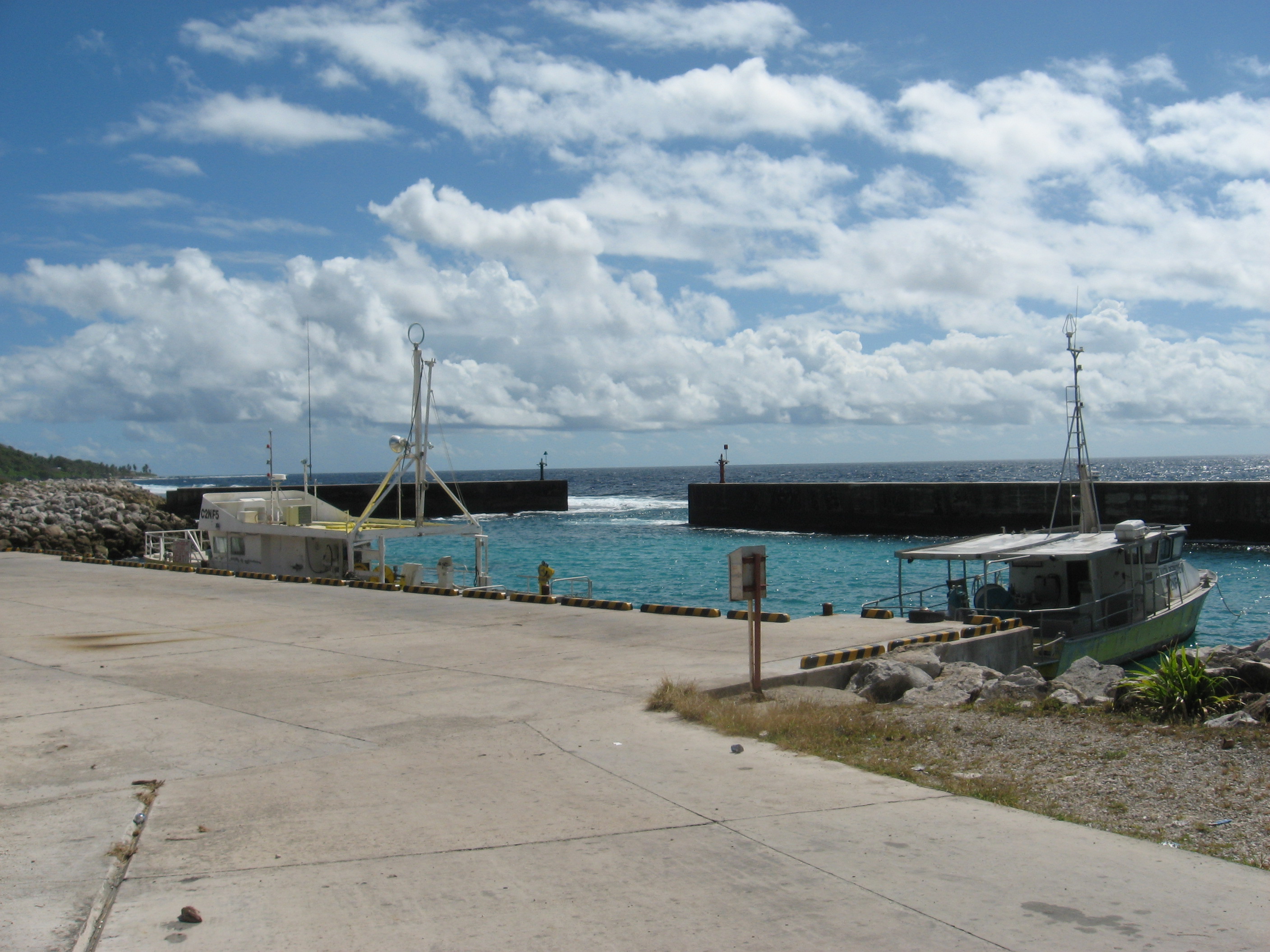
Anibare, harbour swimming and caves
Reports describe the harbour as the local swimming option and mention caves such as Maqua and hidden Anibare-area spots, but experiences are mixed: one report calls Maqua Cave skippable and trash-filled; another found a hidden cave-and-bunker spot after local help.
Why go — The harbour is the safest local swim, and the bush caves reward a bit of effort and local directions.
Tip — Ask locals where swimming is safe; do not assume open beaches are suitable, as travellers were warned about sea urchins.
Late-afternoon local life
Several reports say the highlight was not a monument but people: lifts offered unprompted, conversations, basketball, local gatherings and friendly encounters once the heat drops.
Why go — This is the part of Nauru that travellers remember most, and it costs nothing but time.
Tip — Leave unplanned time around late afternoon instead of trying to make the whole trip a checklist.
Optional: fishing or scuba
Fishing and scuba appear possible but are not casual tourist products. Fishing charters are reported through the Capelle and Ewa Lodge network. Scuba relies on local Fisheries-linked divers, borrowed gear and abundant sharks, and only suits experienced divers comfortable with ad hoc Pacific arrangements.
Why go — For the right diver or angler, Nauru's healthy reef and shark-rich water are a rare, off-radar experience.
Tip — Do not treat scuba as a standard activity - it is advanced, locally arranged and needs reconfirmation for your dates.
Payoff
Why it's worth the effort

The island-scale travel puzzle
Nauru is one of the rare places where the journey itself remains part of the story: a tiny airline network, scarce rooms, a visa process that still feels hand-carried, and a country small enough to loop repeatedly once you arrive.
- How hard
- The planning, not the terrain, is the work.
- Days needed
- Felt across the whole trip.
Verify — That you have buffer time for schedule changes.

The phosphate landscape
Topside, limestone pinnacles, industrial traces and the cantilevers make Nauru visually and historically unlike a normal Pacific beach stop.
- How hard
- Hot and dusty; best by scooter or with a guide.
- Days needed
- A few hours within the loop.
Verify — Current Topside access and a guide if you want the harder tracks.
The human surprise
The strongest reports are not about monuments. They are about lifts, conversations, help from strangers, basketball, wedding encounters and the island becoming more alive when the heat drops.
- How hard
- Costs only unstructured time, mostly in the late afternoon.
- Days needed
- Leave open time each evening.
Verify — Nothing to book - just leave room for it.
Constraints
What makes it difficult
Visa sequencing
HighThe visa, hotel confirmation, flight itinerary and payment can all depend on each other.
Mitigation — Start two to three months ahead; keep copies; maintain an airline hold; confirm the current fee and bank details before paying.
Accommodation scarcity
HighRooms are limited and some properties respond slowly or book out, yet a confirmation is needed for the visa.
Mitigation — Secure accommodation before committing to flights where possible; keep backup leads; only split stays if accepted for visa purposes.
Nauru Airlines schedule risk
HighInfrequent flights and sudden schedule changes can strand or compress a trip.
Mitigation — Build buffer days; reconfirm flights; get a boarding pass or ticket reissued if delayed.
Heat and humidity
HighMidday walking and cycling can be brutal year-round.
Mitigation — Move early and late; carry water, a hat and electrolytes; use a scooter or car in the worst heat.
Internet and SIM uncertainty
Medium-HigheSIMs and Digicel coverage are inconsistent in reports, and Wi-Fi varies by accommodation.
Mitigation — Choose accommodation with reported Starlink or Wi-Fi; download offline maps and documents.
Sparse tourist infrastructure
Medium-HighGuides, rentals and tours can be informal and inconsistent, and the tourism office has been in flux.
Mitigation — Confirm repeatedly; have a self-guided fallback; use the latest local contacts.
Cost and value mismatch
MediumNauru can be expensive relative to comfort because almost everything is imported.
Mitigation — Accept poor value as part of the destination; budget in Australian dollars in cash.
Photography and drone restrictions
MediumDrone handling and sensitive areas (detention and security sites) can be difficult, and drones have been held at customs.
Mitigation — Declare any drone; avoid photographing detention and security areas; confirm the rules locally.
Reports
Field notes
The visa can be fast, slow or last-minute
Some reports describe approvals in 24 to 72 hours; others waited weeks or received the visa just before boarding. Apply early, keep the airline hold alive, and do not book non-refundable onward travel too tightly around an unissued visa.
Accommodation is the bottleneck
Multiple reports struggled to get responses or rooms, and at least one traveller found every hotel fully booked for their dates. Because hotel proof is needed for the visa, the trip can stall here rather than at immigration.
Scooter beats car for most visitors
The island is small, so scooters are repeatedly described as the best compromise for heat and access. Availability varies, though - some travellers could not find one and fell back on bikes, lifts or walking.
The island is more human than scenic
Across reports the people, kindness and conversations are the recurring highlight - unprompted lifts, an invitation to a wedding, basketball with locals. Several travellers arrived with low expectations and left surprised.
Topside needs context
Without context the phosphate interior can look bleak; with it, the landscape explains phosphate mining, history and Nauru's unusual shape. A guide or the museum first makes the difference.
Connectivity should not be assumed
eSIMs, Digicel and hotel Wi-Fi all vary, and the airport SIM kiosk is closed for early-morning flights. Starlink at some accommodation is a recurring positive; download maps and documents offline before you arrive.
Decisions
First decisions before you book
- 01
Can you get acceptable accommodation proof?
Sort this before assuming the visa will work; the room is usually the real constraint.
- 02
Can Nauru Airlines hold an itinerary for you?
Ask directly, and track the hold-expiry date so the fare does not lapse while the visa is pending.
- 03
How much time do you really have?
One day is possible, 48 hours is cleaner, and three days gives room for discovery and disruption.
- 04
Scooter, bike, car or guide?
Decide based on heat, confidence and whether you want Topside and the WWII relics.
- 05
What is your internet and cash plan?
Download documents, carry Australian dollars in cash, and choose accommodation with reliable Wi-Fi if you need it.
- 06
What happens if the flight moves?
Build slack into any onward itinerary, especially in the Pacific island-hopper chain.
Kit
Packing list
- ✓Printed visa and copies of your documents
- ✓Hotel confirmation
- ✓Flight itinerary and onward ticket
- ✓Australian dollars in cash, with small notes
- ✓Hat, high-SPF sunscreen and sunglasses
- ✓Water bottle and electrolyte tablets
- ✓Lightweight long-sleeved shirt
- ✓Offline maps and saved contact details
- ✓Power bank
- ✓Earplugs for roosters, generators and road noise
- ✓Swimwear that respects local advice and customs
- ✓Basic first-aid kit and personal medication
Essentials
Practical essentials
- Visa
- Required for many or most travellers in reports; confirm nationality-specific rules. Reports point to Cramer Cain as the practical contact for applications.
- Passport
- The official form says your passport must not expire within three months of the application date; check the current requirement for your nationality.
- Money
- Australian dollars. ATMs exist in reports but are patchy, so bring AUD cash and small notes.
- Cards
- Do not rely on cards everywhere; cash is the default.
- Internet
- eSIM and local SIM can be unreliable; some accommodation has Starlink. The airport SIM kiosk is closed for early-morning arrivals.
- Transport
- A scooter is best if available; keep walking and biking to outside the worst heat.
- Health
- Heat, hydration, sun protection and electrolytes matter; the midday sun is relentless.
- Swimming
- Ask locals; reports mention sea urchins, and the harbour area is the usual local swimming spot.
- Drone and photos
- Reconfirm the rules; drones may be held by customs, and detention and security sites should not be photographed.
- Insurance
- Confirm remote-Pacific and Nauru coverage, plus missed-connection and flight-disruption cover.
Who to call
Local guides & contacts
Traveller-reported observations, not endorsements. Reconfirm entry rules, security, permits, insurance and any operator's current terms before relying on anything here.
Visa
Cramer Cain
Recent strong reportsVisa contact reported by travellers; tourism and visa liaison
Email: cramer.cain@brisbane.gov.nr
Reports say Trent is no longer the correct contact. Cramer may collect documents, but final approval rests with the Nauruan authorities, so confirm the current process.
Mahlon - Nauru Tourism
Historical leadNauru Tourism Authority (2023 report)
Email: mahlonnaurutourism@gmail.com
Historical 2023 contact; the tourism office has since changed directors, so verify current relevance.
Gemma - Nauru Tourism
Historical leadNauru Tourism Authority (2023 report)
Email: gemdowiyogo1@gmail.com
Historical 2023 contact; verify current relevance.
Flights
Fabiana Harris
Recent strong reportsReservations - holdable itineraries and disruption follow-up
Email: Fabiana.Harris@nauruairlines.com.au
Mobile reported: +61 418 183 097
Can hold a fare while a visa is pending; response speed varies.
Nauru Airlines reservations
Useful but verifyGeneral reservations
Email: reservations@nauruairlines.com.au
Phone: +61 7 3229 6455
Wanga / Xiemen Wiram
Useful but verifyReservations, Brisbane
Email: Xiemen.Wiram@nauruairlines.com.au
Phone: +61 7 3229 6455
Use for holdable itineraries, special meals and flight-disruption follow-up.
Accommodation
Goodworks Accommodation
Recent strong reportsContainer-style base in Aiwo; Starlink; rentals; transfers
Phone: +674 556 1606
Email: naoerogoodworks@gmail.com
Email: elkanacapelle@gmail.com
Strong recent reports; reconfirm deposit and payment terms, as a wire deposit may now be required.
Ewa Lodge / Capelle
Useful but verifySmall, nicer option near Capelle supermarket
Email: cpreservations@capelle.com.nr
Email: cphumanresource@capelle.com.nr
Phone: +674 557 1055
Only a few units and can be full or slow to reply; reconfirm directly.
Menen Hotel
Mixed reportsLarge government-owned fallback
Email: menhotreservation@yahoo.com
Phone: +674 557 8022
Reports are mixed; verify room condition, Wi-Fi and transfers before relying on it.
Sunset Queen Serviced Apartments
Useful but verifyAiwo apartment option with good Wi-Fi
Phone: +674 5540081
Email: dawnduburiya710@gmail.com
Books out quickly; verify availability.
OD-N-AIWO Hotel
Backup onlyEmergency backup
Phone: +674 5540081
Email: dawnduburiya710@gmail.com
Traveller reports are weak; treat as an emergency backup and verify room condition, response time and air-conditioning before relying on it.
Cappy Olson
Historical leadPossible interior-hotel lead (2025)
Email: olsson.cappy@gmail.com
Reported as a newer hotel contact, the one option not on the ring road; verify directly.
Poe / Airbnb-style lead
Historical leadAirbnb-style lead near the airport
Phone: +674 556 6798
Reported as a historical listing; verify directly.
Guides
Arcmen
Useful but verifyGuide and driver
WhatsApp: +674 554 3382
A June 2024 report recommends him as a driver who knows the sites; reported rate around AUD 100/day if you supply the car. Verify the current rate.
Cindrea
Mixed reportsGuide
WhatsApp: +674 554 1739
Earlier reports were positive; later reports describe capacity and confirmation issues. Reconfirm close to arrival and keep a backup.
Elite / tour guides lead
Mixed reportsTour-guide connector
Email: tourguideselite@gmail.com
Kozay Harris WhatsApp: +674 554 6070
Reports are mixed and arrangements should be reconfirmed directly; keep a self-guided fallback.
Specialist
Fishing charter (Capelle network)
Useful but verifyReported four-hour fishing charter
Phone: +674 557 1001
Email: cpreservations@eftel.net.au
Verify price and availability; scuba, where possible, is informal and Fisheries-linked.
Verification
Current checks before travel
- ✓Current visa process, required documents and responsible contact confirmed
- ✓Current visa fee, currency, bank account and payment reference confirmed before paying
- ✓Hotel confirmation accepted for visa purposes
- ✓Nauru Airlines booking or hold confirmed and the hold expiry tracked
- ✓Flight schedule reconfirmed close to travel
- ✓Buffer time built into the onward route
- ✓Scooter, bike, car or guide availability checked
- ✓Internet plan checked and offline maps downloaded
- ✓Australian dollars in cash carried
- ✓Heat plan: water, hat, electrolytes and early/late movement
- ✓Drone and photo restrictions checked
- ✓Insurance covers Nauru, missed connections and medical evacuation
On the ground
10 practical tips
The decisions that separate a smooth trip from a stranded one.
Choose the strongest season
Use May-Oct as the first planning window for Nauru, then check weather, access and local conditions again before booking.
Avoid the hardest months
Be cautious about Nov-Feb wetter/humid, because the wrong season can make transport, outdoor access and backup plans much harder.
Confirm entry rules first
Verify current entry rules through official channels before booking; recent planning notes suggest Visitor visa required for most nationalities, AUD 50 single-entry, valid up to one month, but this should not be treated as final.
Plan the access route
Build the itinerary around the real access route: Nauru Airlines (INU) is the only carrier.
Control budget drift
Price accommodation, transfers, tours and meals before committing to Nauru, because the expensive parts are often the hardest to change later.
Plan cash and payments
Carry a realistic payment backup for Nauru, especially for drivers, small hotels, local fees and situations where cards or ATMs may not work reliably.
Secure scarce accommodation
Book key accommodation early for Nauru, because small markets, peak periods and transport-linked stays can sell out or become disproportionately expensive.
Use local support selectively
Pre-book local support for the hard parts of Nauru, such as boats, outer-island transfers, specialist hikes or regulated wildlife areas.
Build in buffer days
Treat 2 to 7 days, depending on route and budget as a planning range for Nauru, but add buffer time if the route depends on flights, boats, permits, road conditions or security checks.
Decide if the trade-off fits
Choose Nauru for The interior — the moon-like "Topside" phosphate-mining pinnacles after the island was effectively strip-mined for fertiliser, but only if you are comfortable with the main trade-offs: remote access, few reliable transport options, limited infrastructure.
Good to know
Nauru FAQ
Honest answers, including the ones that might change your plans.
Do I need a visa for Nauru?
Traveller reports say most visitors need a visa and repeatedly identify Cramer Cain as the practical contact for tourist applications. Requirements vary by nationality and the process can change, so confirm current rules before booking non-refundable travel.
How long does the Nauru visa take?
Reports vary widely: some approvals came within 24 to 72 hours, others took weeks or arrived just before boarding. Apply early and keep your airline booking hold alive.
What documents are usually needed?
Reports commonly mention the application form, passport bio page, flight itinerary, hotel booking, proof of employment or income, sometimes bank statements, and payment proof. Older or official forms may show broader requirements, so confirm the current simplified document pack before applying.
How many days do you need in Nauru?
One long day can work if flights align and the visa is already issued, but 48 hours is the cleaner first-timer plan. Three days gives space for flight disruption, Topside, local life and slower exploration.
Is Nauru boring?
It is not a conventional sightseeing destination. The reward is the strangeness of the place - the ring road, the phosphate interior, WWII traces, the museum, the Pacific isolation and the human encounters.
Should I rent a car?
A car is not essential for the basic island loop, but it can help with heat, hidden WWII sites and Topside tracks. Many traveller reports favour scooters if available.
Can I swim?
Ask locally. Reports mention sea urchins and say locals often use the harbour area rather than the open coast.
Does mobile data work?
Do not assume it. Reports describe mixed eSIM and Digicel results, especially at the airport and in rain. Accommodation with Starlink or reliable Wi-Fi is valuable.