

Africa
South Sudan
Boma-Badingilo annual antelope migration (mid-2024 discovery that this may rival the Serengeti). Pari Mountains.
Plan it right
Before you book the flight
Quick checks that decide whether a South Sudan trip actually works on your dates.
Find it on the map
Open South Sudan in Google Maps and drop a pin on your base before you lose signal.
Open in Google MapsCheck the visa policy
Rules for South Sudan change with your nationality and current advisories. Confirm before booking anything.
Read entry rulesGet help with a visa
A reputable visa service can handle paperwork and invitation letters if you'd rather not deal with the consulate.
Compare services- 1 EUR ≈ 6710 SSP
- 1 USD ≈ 5759 SSP
- 1 GBP ≈ 7827 SSP
Exchange Rates Updated Daily. Last updated on 28/Aug/2026.

No McDonald's benchmark available.
Use local café / fast-food meal prices instead.
Approximate McDonald's Big Mac® price where available. Prices vary by city, branch, tax, delivery channel, and date checked. This site is not affiliated with or endorsed by McDonald's.
Source: Countries with McDonald's restaurants reference
No reliable McDonald's/Big Mac benchmark found; likely no official McDonald's presence
Prices Researched at May 2026
Where to stay
8+ rated stays near South Sudan
Booking.com opens filtered to an 8+ guest score so you can compare photos, prices and recent reviews before choosing a base.
When to go
Best: Dec-Feb. Dry season gives better road conditions and lower rainfall; heat rises late dry season.
Avoid: Apr-Oct wet season; Mar-Apr very hot transition
Why it is difficult
Status, May 2026: Persistent internal conflict between SPLA-IO factions and government; the south absorbs hundreds of thousands of refugees from neighbouring Sudan since the 2023 war began. Juba functional with caution; rural travel via plane only. UNMISS deployed. Foreign tourism is in single-digit thousands per year; almost all are EPS / NomadMania completionists or wildlife specialists going for the Boma migration.
Why it is worth visiting
Boma-Badingilo annual antelope migration (mid-2024 discovery that this may rival the Serengeti). Pari Mountains. Tribal cultures of the Mundari (with their giant Ankole-Watusi cattle) and Toposa. Juba’s riverfront. This is one of the rarest stamps in the book.
Practical travel notes
Currency: South Sudanese pound (SSP); USD widely accepted at the parallel rate (which is far better than the official one). Language: English (official), Arabic, Juba Arabic, Dinka, Nuer. SIM: MTN or Zain - both available with passport. Security: do not travel between cities by road without local arrangement. Stay at hotels with perimeter security (Pyramid Continental, Crown Hotel, Quality Hotel). Curfews intermittently in force.
Access and logistics
Juba (JUB): Ethiopian Airlines (via Addis), Kenya Airways (via Nairobi), Uganda Airlines (via Entebbe), RwandAir (via Kigali). All small aircraft, several flights daily. Overland from Uganda (Nimule) is functional with daily share-taxis to Juba. Kenya (Lokichoggio-Nadapal) less reliable. Juba - riverfront, Juba market, John Garang mausoleum. Mundari cattle camp - 2-3 hours north of Juba; arrange via Imatong Tours or your fixer. Photographic gold; pay your subjects. Boma National Park - fly-in safari for the antelope migration (white-eared kob, tiang). Pari Mountains and Imatong Range - trekking; permit-heavy.
Safety considerations
Treat security as the core planning constraint. Avoid improvising routes, keep a conservative schedule, and re-check local conditions immediately before travel.
Visa or permit notes
E-visa available; embassies in Cairo, Nairobi, Washington DC also issue. USD 100, single entry 30 days. LOI normally required from in-country tour operator or hotel. Yellow fever certificate required. Operators Untamed Borders - runs the most regular fixed-departure South Sudan group tours. Imatong Tours (Juba-based) - known for Mundari cattle camp visits. Pioneer Expeditions and Wild Frontiers periodically run group trips. African Parks operates Boma and Badingilo and is the route to the migration safari (their first commercial tourist seats came online from 2024).
Best window
Dec-Jan
First-timer route
Fly or bus into Juba, then a guided Mundari camp visit near Terekeka
Minimum time
5-7 days
Independent travel
Possible but very demanding; a local contact for checkpoints and Mundari access is effectively essential.
Fit check
Is this the right difficult place for you?
Go if you want
- +Mundari cattle camps and their long-horned Ankole-Watusi herds.
- +The White Nile, Juba's riverfront and raw, unpolished city life.
- +A genuine independent-travel challenge with few other tourists.
- +An emerging frontier destination where the logistics are the adventure.
- +Warm, curious hospitality from people who rarely see visitors.
Think twice if you need
- −Predictable security and freedom to improvise routes.
- −Reliable ATMs, cards or any cashless payment.
- −Comfortable hotels, paved roads and short travel days.
- −Freedom to photograph openly in towns and at checkpoints.
- −A relaxing, low-friction holiday.
Versions
The trip in 4 versions

Juba base
Most trips start and end in Juba: sort the mandatory passport registration, see the Afex riverside and sunken ferry, and feel out the city before heading north.
Best for
First-timers getting their bearings and arranging onward logistics.
Duration
1-2 days
Difficulty
Hard
Verify
- —Where and how to complete passport registration (mandatory, usually within a day of arrival).
- —A hotel with perimeter security and any current curfew.
- —Photography is sensitive in the capital - ask before pointing a camera.

Mundari cattle camps
The headline experience: dung-fire smoke at sunrise and sunset, ash-painted herders and giant horned cattle in the camps along the Juba-Terekeka road.
Best for
Photographers and anyone drawn to living pastoral culture.
Duration
1-2 days (day trip or overnight in Terekeka)
Difficulty
Hard
Verify
- —A local contact to negotiate checkpoint passage and camp permission.
- —Payment expectations - camps welcome photos but expect a contribution.
- —Whether you day-trip from Juba or overnight in Terekeka.
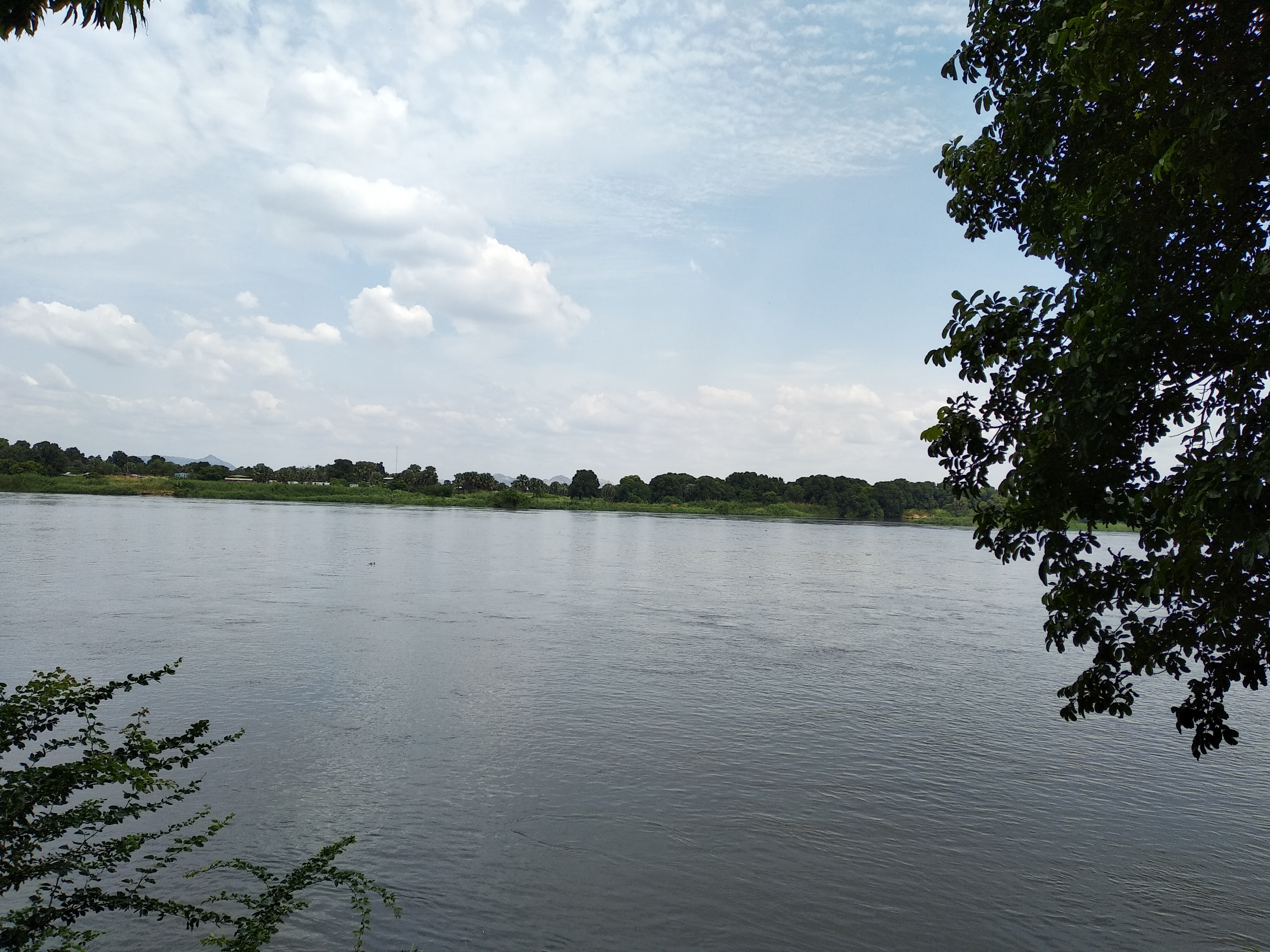
Boma-Badingilo migration
A fly-in wildlife trip to the vast white-eared kob and tiang migration that 2024 surveys suggested may rival the Serengeti, run through African Parks.
Best for
Wildlife specialists willing to pay for charter access.
Duration
3-5 days
Difficulty
Extreme
Verify
- —Current commercial access and seasonal timing with African Parks.
- —Charter flight costs and group size.
- —What camping and support are included.

Eastern overland to Kenya
The hard road east through Torit and Kapoeta toward the Kenyan border, passing Lotuko and Toposa/Boya country - rough, slow and genuinely adventurous.
Best for
Experienced overlanders continuing to Kenya.
Duration
4-6 days
Difficulty
Extreme
Verify
- —Current security on the Kapoeta-Camp 15 road, reported as risky.
- —Shared-car departures (they leave only when full).
- —See the dedicated Uganda-Juba-Kenya overland guide for detail.
Payoff
Why it's worth the effort
Mundari cattle camps
Few places offer such an intimate, unstaged encounter with a living cattle culture - the smoke, ash and enormous horns are unforgettable, and the people are remarkably welcoming.
- How hard
- Checkpoints, payments and the need for a local contact make this harder than the short distance suggests.
- Days needed
- 1-2 days from Juba
Verify — Camp permission, checkpoint arrangements and what each visit and photo session will cost.
The White Nile at Juba
The river defines Juba - the Afex stretch, the sunken ferry and the waterside markets are the most rewarding part of the capital.
- How hard
- Easy once you are in Juba, but photography near bridges and official sites is sensitive.
- Days needed
- Half a day
Verify — Where photography is tolerated and where it is not.
Boma-Badingilo migration
One of the largest land-mammal migrations on earth, only recently surveyed and barely visited - a genuine frontier wildlife experience.
- How hard
- Remote, charter-dependent and expensive; commercial access is very new.
- Days needed
- 3-5 days
Verify — Current access, season and pricing with African Parks.
Constraints
What makes it difficult
Security & checkpoints
HighConflict risk varies by region and the road network is dotted with army and police checkpoints where travellers are routinely pressed for money.
Mitigation — Travel with a local contact, stay calm and firm, ask for a receipt, and re-check conditions for your exact route just before travel.
Entry, visa & LOI
Medium-HighAn eVisa is available online and was reported as straightforward, but a Letter of Invitation is usually expected - sometimes from a hotel or operator.
Mitigation — Apply several days ahead, print everything, and line up a genuine LOI rather than improvising one, especially if arriving by air.
Permits & registration
Medium-HighPassport registration in Juba is mandatory; some independent travel may also need National Security or Wildlife permits for specific areas.
Mitigation — Register early in Juba and ask locally whether your route needs extra permits before setting off.
Cash economy
HighCards and ATMs are not usable for travellers; everything runs on cash, with USD changed at a far better parallel rate than the official one.
Mitigation — Carry pristine, recent USD 100 bills and budget the whole trip in cash.
Roads & transport
HighMost roads are unpaved and slow; shared cars leave only when full and long days are normal, especially east of Juba.
Mitigation — Build buffer days, sit near the front on long bus rides, and hire a driver for the harder legs.
Photography restrictions
Medium-HighPhotography is tightly controlled, particularly of officials, bridges and government sites in towns.
Mitigation — Be discreet in cities, ask before photographing people, and keep the camera away at checkpoints.
Independent travel
HighImprovising is possible but exhausting; some areas effectively require local help, and corruption is a constant friction.
Mitigation — Use a trusted local contact for checkpoints and cultural access, and keep expectations flexible.
Reports
Field notes
The eVisa is easier than expected - the LOI is the catch
Recent independent travellers report applying for the South Sudan eVisa online a few days before travel and being approved quickly, paying around USD 120. The Letter of Invitation section is the sticking point; entering overland, scrutiny was light, but arriving by air can mean being asked to call your in-country host, so arrange a genuine LOI.
Checkpoints expect money - stay calm and firm
There are multiple checkpoints between the border and Juba, and more on the road east. Soldiers commonly ask travellers to pay; reports stress being polite, saying you have no money, asking for a receipt, and not being intimidated. A local travelling with you makes this far smoother.
Mundari visits really need a local contact
The camps sit along the Juba-Terekeka road, 20-30 minutes north of Juba, but an army checkpoint on the way and the need to negotiate camp permission mean a local contact is close to essential. Expect to cover fuel, a checkpoint payment (around 100,000 SSP) and a contribution at each camp (also around 100,000 SSP).
Mandatory passport registration in Juba
Travellers must register their passport in Juba, usually the day after arrival. It costs about USD 30 plus a small helper's fee. A local fixer can complete the process with you quickly.
It is a cash-only, crisp-dollars country
Bring USD 100 bills in perfect condition. The parallel exchange rate is far better than the official one, and money changers at the border or in Juba are the norm. Reported rates were around 6,600 SSP to the dollar, but this moves fast.
The road east to Kenya is slow and, in places, risky
Shared cars run Juba-Torit-Kapoeta and on to Lokichoggio in Kenya, leaving only when full. The road is entirely unpaved and the Kapoeta-Camp 15 stretch has a reputation for banditry, with vehicles sometimes travelling in convoy. Leaving South Sudan at the Kenyan side was reported as quick and hassle-free.
Decisions
First decisions before you book
- 01
Which version of South Sudan are you attempting?
Juba and Mundari, the Boma migration, or the full eastern overland to Kenya - each has very different logistics and cost.
- 02
What is your visa and LOI plan?
Apply for the eVisa early and secure a genuine Letter of Invitation, especially if you are flying in.
- 03
Who is your local contact?
Line up a trusted driver or fixer for checkpoints, Mundari access and the Juba registration.
- 04
What is your cash plan?
Carry enough pristine USD 100 bills for the whole trip; there is no card fallback.
- 05
Which month and which exit?
Aim for December-January, and decide whether you fly out of Juba or continue overland to Uganda or Kenya.
Essentials
Practical essentials
- visa
- eVisa available online (around USD 100-120, 30-day single entry); a Letter of Invitation is usually expected. Yellow-fever certificate required.
- registration
- Passport registration in Juba is mandatory, normally within a day of arrival (about USD 30 plus a small fee).
- health
- Yellow fever required; arrange insurance covering South Sudan and remote evacuation. Malaria precautions essential.
- money
- South Sudanese pound, but travellers run on USD cash - bring crisp, recent 100s. No usable ATMs or cards. Change at the parallel rate.
- language
- English is official, with Juba Arabic, Dinka, Nuer and many other languages widely spoken.
- sim
- MTN or Zain SIMs are available with a passport; coverage is patchy outside towns.
- power
- Power is unreliable and often on a generator schedule; carry a power bank and charge whenever you can.
- transport
- Shared cars and buses leave when full; roads are mostly unpaved. Hire a driver for the Mundari trip and harder legs.
- photography
- Heavily restricted in towns and at official sites and checkpoints. Ask before photographing people; be discreet in the capital.
- insurance
- Confirm in writing that your policy covers South Sudan, which many standard policies exclude.
Verification
Current checks before travel
- ✓Government travel advisory for South Sudan
- ✓eVisa approved and printed
- ✓Letter of Invitation secured
- ✓Yellow-fever proof
- ✓Insurance confirmed to cover South Sudan + remote evacuation
- ✓Local contact / driver confirmed
- ✓Pristine USD cash for the whole trip
- ✓Plan for mandatory Juba registration
- ✓Security read for your exact route (especially east of Juba)
- ✓Buffer days for slow roads and checkpoints
On the ground
10 practical tips
The decisions that separate a smooth trip from a stranded one.
Choose the strongest season
Use Dec-Feb as the first planning window for South Sudan, then check weather, access and local conditions again before booking.
Avoid the hardest months
Be cautious about Apr-Oct wet season; Mar-Apr very hot transition, because the wrong season can make transport, outdoor access and backup plans much harder.
Confirm entry rules first
Verify current entry rules through official channels before booking; recent planning notes suggest E-visa available; embassies in Cairo, Nairobi, Washington DC also issue, but this should not be treated as final.
Plan the access route
Build the itinerary around the real access route: Juba (JUB): Ethiopian Airlines (via Addis), Kenya Airways (via Nairobi), Uganda Airlines (via Entebbe), RwandAir (via Kigali).
Re-check security conditions
Treat South Sudan as a high-risk trip where security, permits, cash and trusted local logistics matter more than the sightseeing list.
Plan cash and payments
Carry a realistic payment backup for South Sudan, especially for drivers, small hotels, local fees and situations where cards or ATMs may not work reliably.
Secure scarce accommodation
Book the first night and trusted transfers before arrival in South Sudan, then avoid relying on last-minute local arrangements in sensitive areas.
Use local support selectively
Shortlist a reputable local operator for South Sudan before departure, then confirm route, permissions, security expectations, inclusions and cancellation terms in writing.
Build in buffer days
Treat 7 to 14 days, depending on route and security constraints as a planning range for South Sudan, but add buffer time if the route depends on flights, boats, permits, road conditions or security checks.
Decide if the trade-off fits
Choose South Sudan for Boma-Badingilo annual antelope migration (mid-2024 discovery that this may rival the Serengeti), but only if you are comfortable with the main trade-offs: political instability, health or safety concerns, difficult permits.
Good to know
South Sudan FAQ
Honest answers, including the ones that might change your plans.
Is South Sudan safe?
Security varies sharply by region and time, and government advisories are at the most cautious tier. Juba and a guided Mundari visit are done by independent travellers, but improvising routes - especially east of Juba - carries real risk. Treat security as the central planning constraint and re-check conditions immediately before travel.
Can I visit South Sudan independently?
Yes, experienced travellers do it on public transport and a tight budget, but it is demanding. Checkpoints, the cash-only economy and corruption make it one of the harder African countries to do alone, and a trusted local contact removes much of the friction.
Do I need a guide?
Not legally for everything, but in practice a local contact is close to essential for the Mundari camps and very helpful at checkpoints and for the Juba registration. Some specific areas may also require National Security or Wildlife permits.
Can I visit the Mundari?
Yes - the camps near Terekeka are the country's signature experience. Technically you could go alone, but a local contact to handle the checkpoint and ask permission makes it far better. Expect to pay a checkpoint fee and a contribution at each camp.
How expensive is South Sudan?
Independent travel is far cheaper than agency tours but still not cheap, because comforts are scarce and many things require cash payments and bribes. Budget travellers report modest hotel rooms from around USD 30, with extra costs for drivers, fuel, registration and camp contributions.